



Browsing Category
How-To & Fixes
22 posts

Bulk Move Active Directory Computer Accounts to a New OU Using PowerShell
Active Directory estates change all the time. You might be: moving devices into a new OU for a…

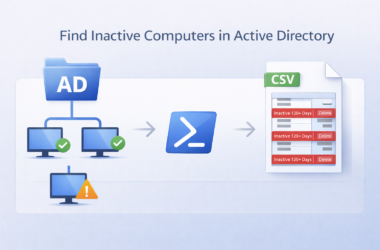
Find and Clean Up Inactive Computers in Active Directory with PowerShell
Active Directory becomes cluttered very quickly. Laptops get replaced, devices are rebuilt, users leave the business, but the…
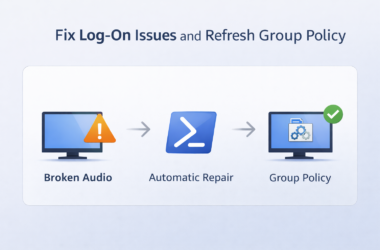
Fix Windows Log-On Issues by Repairing Critical Services and Forcing Group Policy
Windows log-on problems are often caused by important background services being disabled or stuck. When this happens, users…

Fix Windows Audio & Chrome Call Issues with One PowerShell Script
If you support users who rely on headsets for Teams, Zoom or browser-based call systems, you will know…

Bulk Add Windows Autopilot Devices to Entra ID Groups Using Only Serial Numbers
If you manage Windows Autopilot at scale, you will know how painful it is trying to add devices…

Rufus: The Ultimate Tool for Creating Bootable USB Drives
Introduction When you need to install an operating system, run diagnostics, or boot into a recovery environment, a…

WinDirStat vs TreeSize: Which Is the Better Disk Space Tool?
When your hard drive starts filling up, one of the first questions that comes to mind is: “Where…
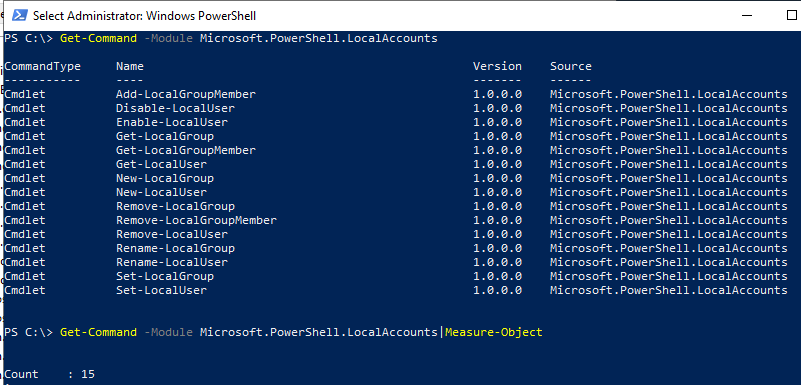
How to Find Computers with a Specific SPN in Active Directory Using PowerShell
Introduction When managing Active Directory environments, you may need to locate computers registered with a specific Service Principal…
List of ms-settings URI commands to open specific settings in Windows 10
How to use the URI commands Here some different examples for using ms-setting commands: Press Win+R to open…
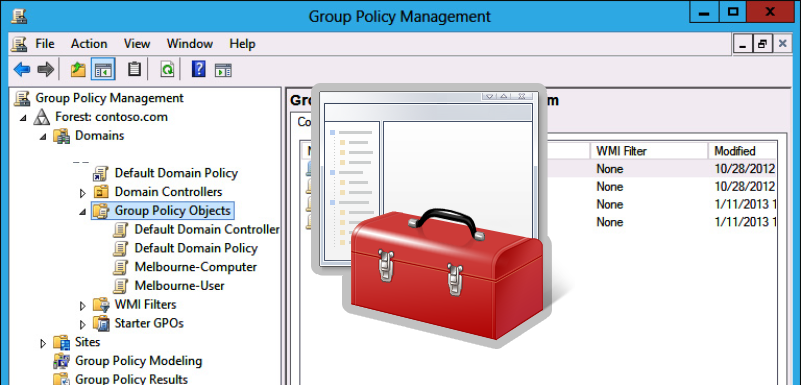
Installing Software (MSI Packages) Using Group Policy
In this article, we will show how to install software on user computers in an Active Directory domain using GPO.The built-in Windows GPO features allow you to deploy programs that are only distributed as MSI or ZAP packages. Other types of apps you will have to install in alternative ways: using SCCM, via GPO logon